Known by several Titles such as shalwar kameez or salwar kameez, there’s absolutely not any uncertainty this dress has been around for centuries in South Asia. It is closely attached with the culture and history of all the countries which constitute South East Asia, i.e. India, Pakistan, Sri Lanka, Bangladesh and Nepal. They have been emblematic of and reflect the culture of those nations. But, you will find lots of people who believe that when we talk about Pakistani clothes, we often connect shalwar kameez, kurti along with various other unstitched substances which are available for thousands of years. Hence, it Wouldn’t Be a Poor Notion to know More on the Subject of the culture and history of these dresses which are a symbol of pride not only in Pakistan but across Quite a Few Other countries of South Asia
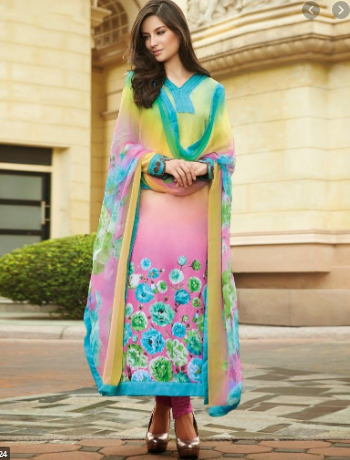
Some Information about these Dresses
They include Two pieces. The very best portion is called Kameez whereas underneath portion is known as shalwar. Even the common shalwar is attached to the waist with the assistance of cloth series. Nevertheless, since fashion and times improved, the fabric cords are presently being substituted with additional more convenient options such as buttons and elastic. However, irrespective of the shift in tech and the development of new layouts, there certainly are a few matters that you have to keep in mind. These dresses have stood the test of time and so it will have been a good idea to have any brief thought for their roots and appearance in it from ancient viewpoint.
Though the Specific year and date of their emergence of those dresses is not understood, there are reasons to believe that they must have been around for at least five hundred to 1, 000 decades. It’s possible they have turned into contemporary and modern just within the past 100 to 125 decades but the concept of twin pieces of dresses’s been around for at least many centuries. It’s possible they have migrated from other western countries but this is again based on conjecture as opposed to being based on facts.